

Gut Health Problems Don’t Stay in the Gut
You know dogs. You’ve lived with them for years. But this one feels different.
They can’t settle
They’re constantly foraging
They eat grass like it’s their job
They’re barkier, itchier, more reactive
And those tear stains just won’t budge
This isn’t “just behaviour”, it’s often gut discomfort. And when it’s ignored, it rarely stays small.
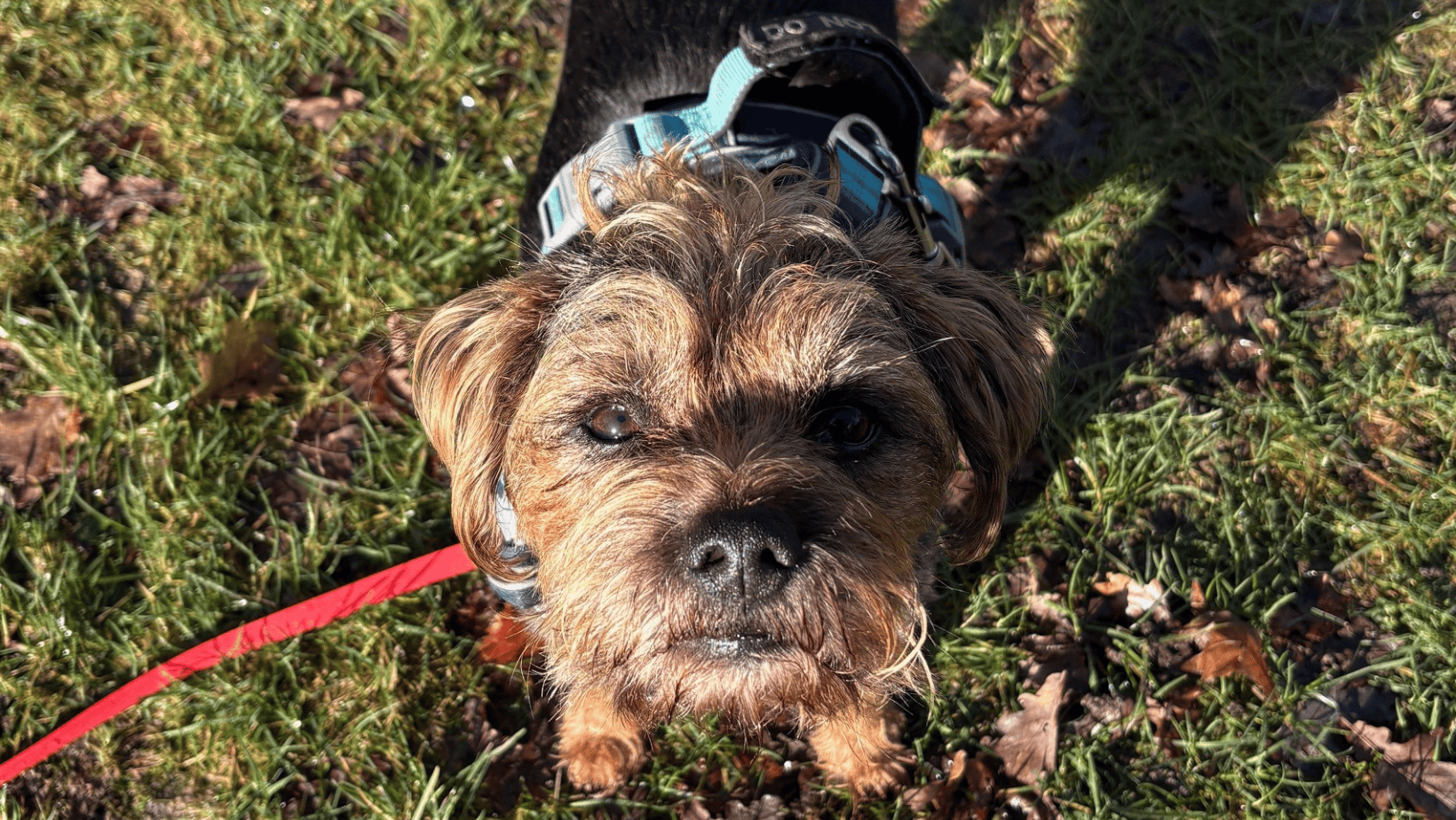
It’s easy to miss the subtle signs of pain. It’s easy to think ‘they’re ok’ when they’re not. And it’s only when they go downhill that we do something.
The Signs Most People Miss
Gut pain in dogs doesn’t just look like diarrhoea or vomiting. It shows up everywhere else first.
Behavioural Red Flags
Hyperactivity that doesn’t resolve with exercise
Inability to settle or switch off
Overreacting to normal situations
Excessive grass eating
Foraging for sticks, dirt, rocks or rubbish
Eating poop (coprophagia)
Obsessive licking of paws, floors or objects
Physical Signs
Tear stains or goopy eyes
Red, itchy or inflamed ears
Dandruff, skin flare-ups or hot spots
Paw chewing
Bad breath or drooling
Dull coat or heavy shedding
Low folate and B12 in a blood test
If you’re ticking more than a couple of these, your dog’s gut is under strain.
Why the Gut Matters (More Than You Think)
The gut is your dog’s second brain.
It controls:
Inflammation
Immune responses
Mood and behaviour
Stress tolerance
When the gut is inflamed or out of balance, the body stays in a low-grade stress state. Dogs don’t feel comfortable. They don’t regulate well. They self-soothe however they can.
If this is left unaddressed, it often progresses to:
Chronic allergies
Recurrent ear infections
Skin disease
Anxiety and reactivity
Long-term immune dysfunction
In other words, ignoring gut health doesn’t make it go away. It usually makes it louder.
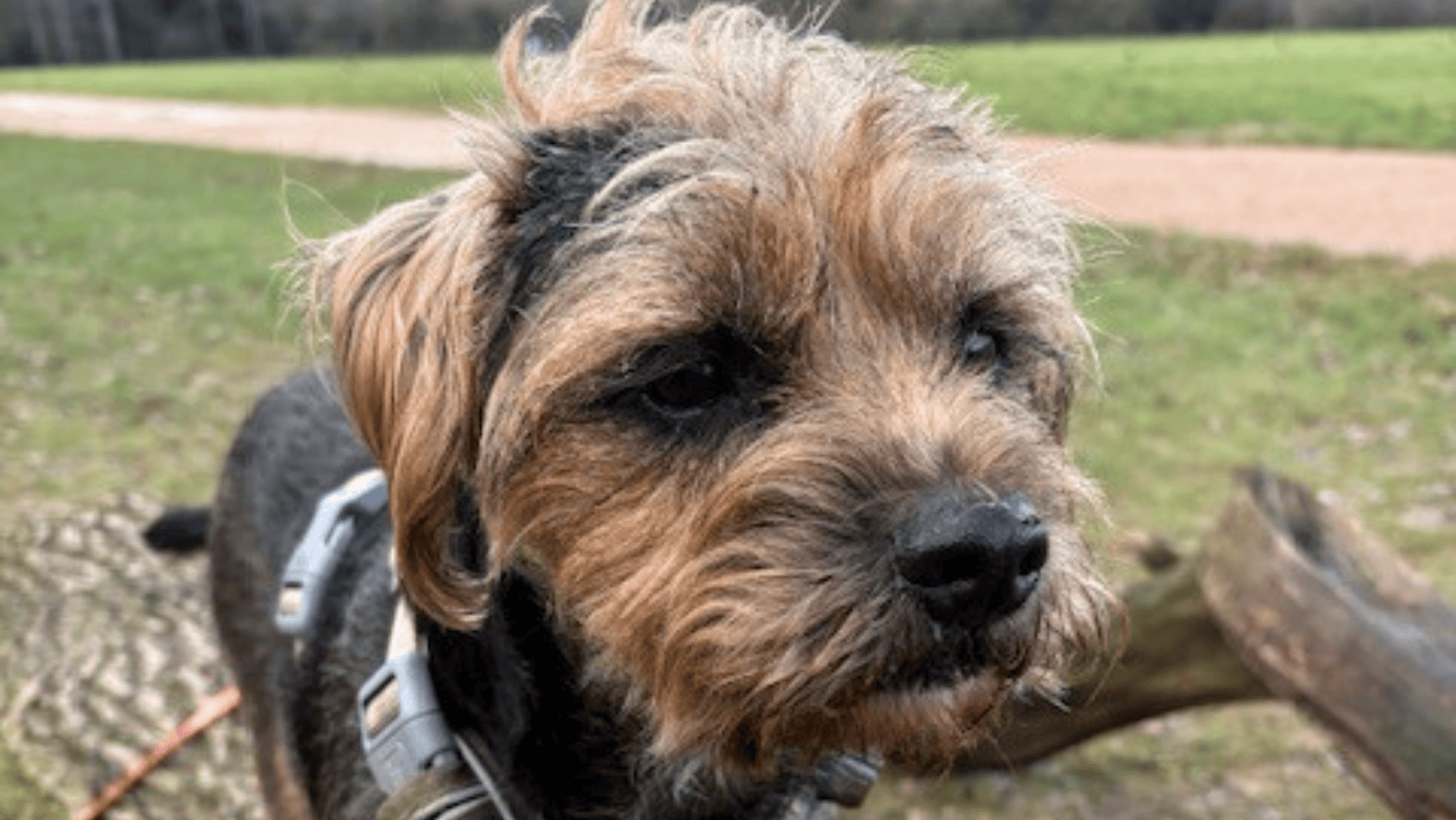
A goopy eye, tear stains, red eye skin, a dry nose are all the first things to look for.
“But I Feed a Good Diet…”
Great. That matters. But gut health is not just about food. It’s about individual ingredients, it;s about who is living in the gut and what they’re doing for your dog.
Diet is the biggest lever we have, but it’s not the only one. Gut health is also shaped by:
Stress and overstimulation
Poor rest and recovery
Repeated medications
Environmental toxins
Lack of nervous system regulation
You can feed the best food in the world and still have a dog whose gut is struggling.
This Isn’t About Blame
This isn’t about doing something wrong. And it’s definitely not about guilt.
Some dogs are simply more sensitive - more dogs mow than ever. Some need more support. Some are here to teach us more.
If your dog feels “different” to your previous dogs, trust that instinct. They’re telling you something.
The Good News
Gut health is fixable.
Behaviour can change.
Inflammation can calm.
Dogs can feel safe and settled again.
- But only if you listen early.
Your Dog Is Communicating
The question is whether you’ll hear it.
If you’re ready to understand what your dog’s gut is really asking for, and how to support it properly, you don’t have to do it alone.
Book a consultation with me, Lana Smith, South Coast Fairy Dog Mother, and let’s look beyond the food bowl to help your dog feel better from the inside out.
Your dog isn’t “being difficult”. Their body is asking for help. Let’s listen.
Sources
