

So Your Dog Is Gluten Intolerant. Now What?
Hi, I’m Lana Smith, South Coast Fairy Dog Mother, and one of the leading independent experts in gluten intolerance in dogs, specialising in border terriers. If your dog has received a positive gliadin test result, from your vet or an independent laboratory, you may be feeling worried, overwhelmed, or unsure what to do next.
Take a breath.
Gluten intolerance in dogs is a very manageable condition, and with the right care, your dog can live a long, happy, thriving life.
Let’s walk through what you need to know, step by step.
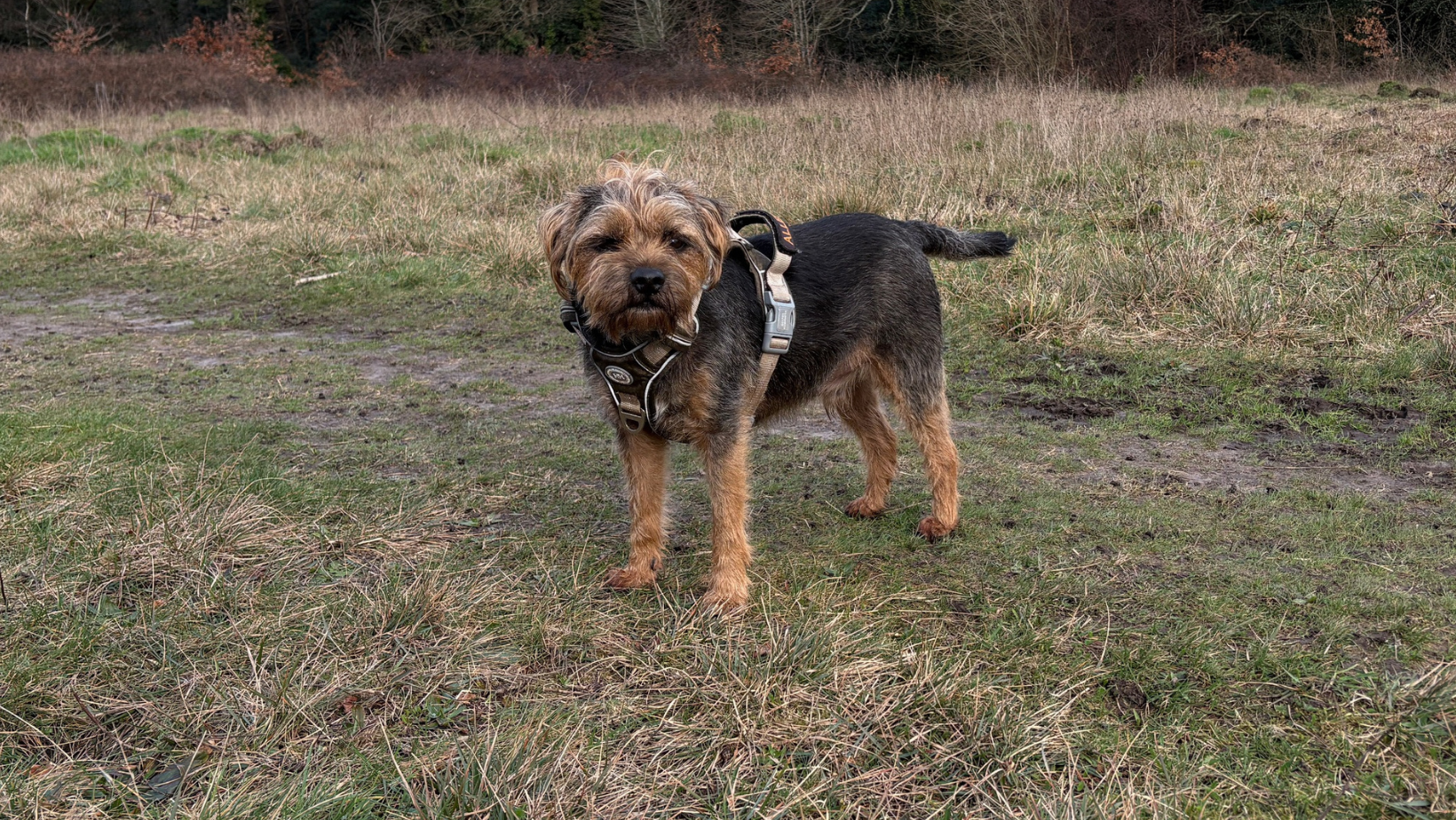
Augustus Border who is very gluten sensitive is the happiest and healthiest he’s ever been
First Things First: This Is Manageable
With the right diet, nutrition, supportive positive training, and a clean living environment, dogs with gluten intolerance can absolutely thrive. Many dogs go on to feel better than they ever have once gluten is fully removed from their world and they’re finally able to heal and recover.
The key is consistency and awareness.
Step One: Tell the Breeder
This step is crucial. If your dog has tested positive for gluten intolerance with a Gliadin Test, please inform the breeder. Responsible breeding depends on accurate information, and this condition is becoming more prevalent largely because not all breeders test for it.
By sharing your dog’s test results, you help:
Protect future litters
Reduce the spread of gluten intolerance within the breed
Support healthier breeding decisions
This one conversation can make a real difference to the future of the breed.
The Border Terrier Health group is supposed to monitor the health of the breed. While it recognises this condition as an issue, it greatly under represents this in their annual reports. It also splits out other symptoms into separate health and temperament concerns. There is no transparency on what they do with this data to inform safe healthy breeding. Or hold breeders accountable to the vast scale of the issue.
What can breeders do?
They can ask their breed groups what they’re doing to support the research or reduce this issue within the breed.
Are they identifying genetic carriers?
Are they removing them from the gene pool?
Are they contributing to the health of the breed or are they ‘just breeding’?
Are they medicating and masking symptoms?
Are they feeding a hypo allergenic diet and using Apoquel or Cytopoint to turn off the immune system and still breeding from these dogs and not letting people know about the risks to the puppies?
There are good breeders out there, but they are few and far between. Please research bloodlines, and you can find out more about what to ask breeders in my article.
Step Two: Decontaminate Your Home
Think of your home like a crime scene, but instead of glowing fingerprints, it’s gluten glowing after everything you’ve touched.
Anywhere you’ve touched after handling a sandwich, sausage roll, biscuit, or anything containing gluten can leave invisible traces behind. For a gluten-intolerant dog, even tiny amounts can cause a setback. Every crumb counts against them.
Here’s what to do:
Remove all gluten-containing foods from your dog’s environment
Check all food, treats, and chews carefully
Avoid ingredients such as:
Wheat
Rye
Barley
Brewer’s yeast
Then:
Wash all toys and bedding
Thoroughly clean food and water bowls
Thoroughly wipe down food preparation and feeding areas
Use different cleaning and cooking utensils for them - separate from what you clean pasta pots etc with
Keep washing your hands
Decontaminate door handles, light switches, your phone, the backs of chairs
This step is essential for healing and long-term stability.
Step Three: Contribute to Protecting the Breed
Here’s some good news: you can help future dogs, before they’re even born.
You can contribute to genetic research by contacting the independent lab Cambridge Research and requesting a mouth swab kit right here. Select which breed you have that’s tested positive with a gliadin result and they’ll send it to you by post.
All you need to do is:
Swab your dog’s mouth (any breed)
Send it back
Your dog’s DNA will be added to a growing pool of data from other gluten-intolerant dogs. This research helps work toward a reliable genetic test, protecting the breed for generations to come. You can also donate to support their work here.
You can also join the CECS Facebook group, and please with your request, give your Kennel Club Pedigree papers and Positive Gliadin Test Result.
And PLEASE NOTE if you have previously submitted any DNA swab samples to the AHT, don't forget to update any health issues that your dog (s) may have been diagnosed with since submitting the DNA sample(s).
These updates are VITAL data for the researchers.
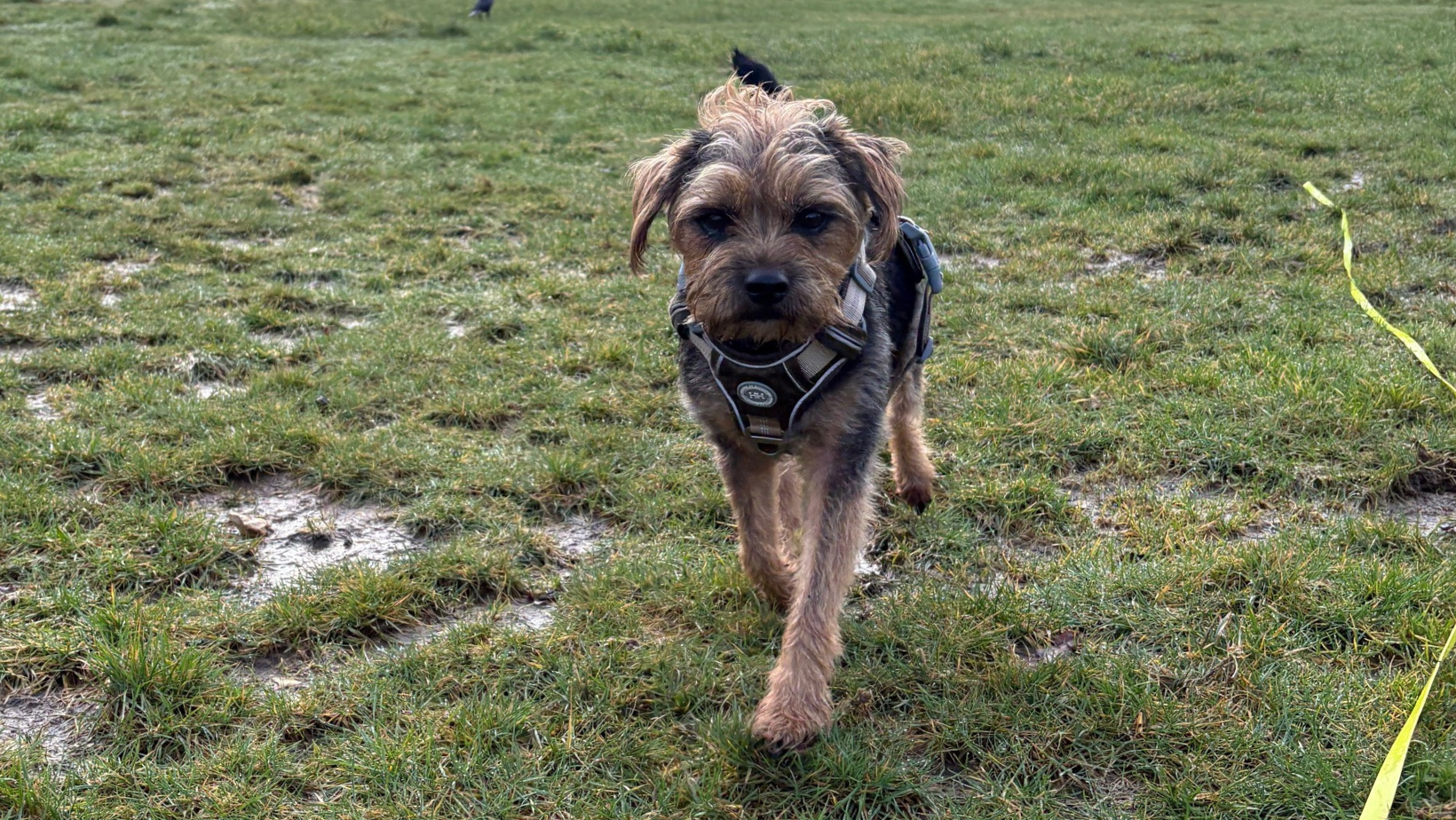
We love them so much, and it’s so hard watching them suffer, but you don’t have to feel helpless. There’s a lot we can do.
If Problems Continue
If you’re still seeing signs or symptoms, often caused by accidental contamination, please don’t hesitate to reach out. I’m always happy to share my knowledge and help you troubleshoot what might be going on.
Every time they get contaminated and the gut lining sheds to protect the body, the microbiome is shard, making them more susceptible to leaky gut symptoms, ‘allergies’ intolerances and other infections. So we have to start again from scratch. A big part of what I do professionally is support you to rebuild them from the inside out.
I’ve also created a Carer’s Statement, a printable document with all of this information on, so you don’t need to keep repeating yourself, and you can give to:
Vets
Specialists
Dog walkers
Trainers and behaviourists
Daycare providers
Boarding kennels
Physios and conditioning trainers
Pet sitters
Friends and family
This document clearly explains your dog’s condition and helps others keep them safe, reducing the risk of contamination.
Because once a gluten-intolerant dog is exposed again, it can:
Damage the gut lining
Disrupt the microbiome
Increase susceptibility to immune and secondary health issues
You can buy the Carer’s Statement document for free - it gets delivered to your inbox. Print it out and personalise as you see fit. Share it with anyone involved in your dog’s care.
Having this documentation demonstrates that you’re a responsible, informed owner who takes your dog’s health seriously. It also protects care providers by giving them clear guidelines to follow, reducing the risk that they’ll inadvertently expose your dog to gluten. Because them they could get ill and no one wants that.
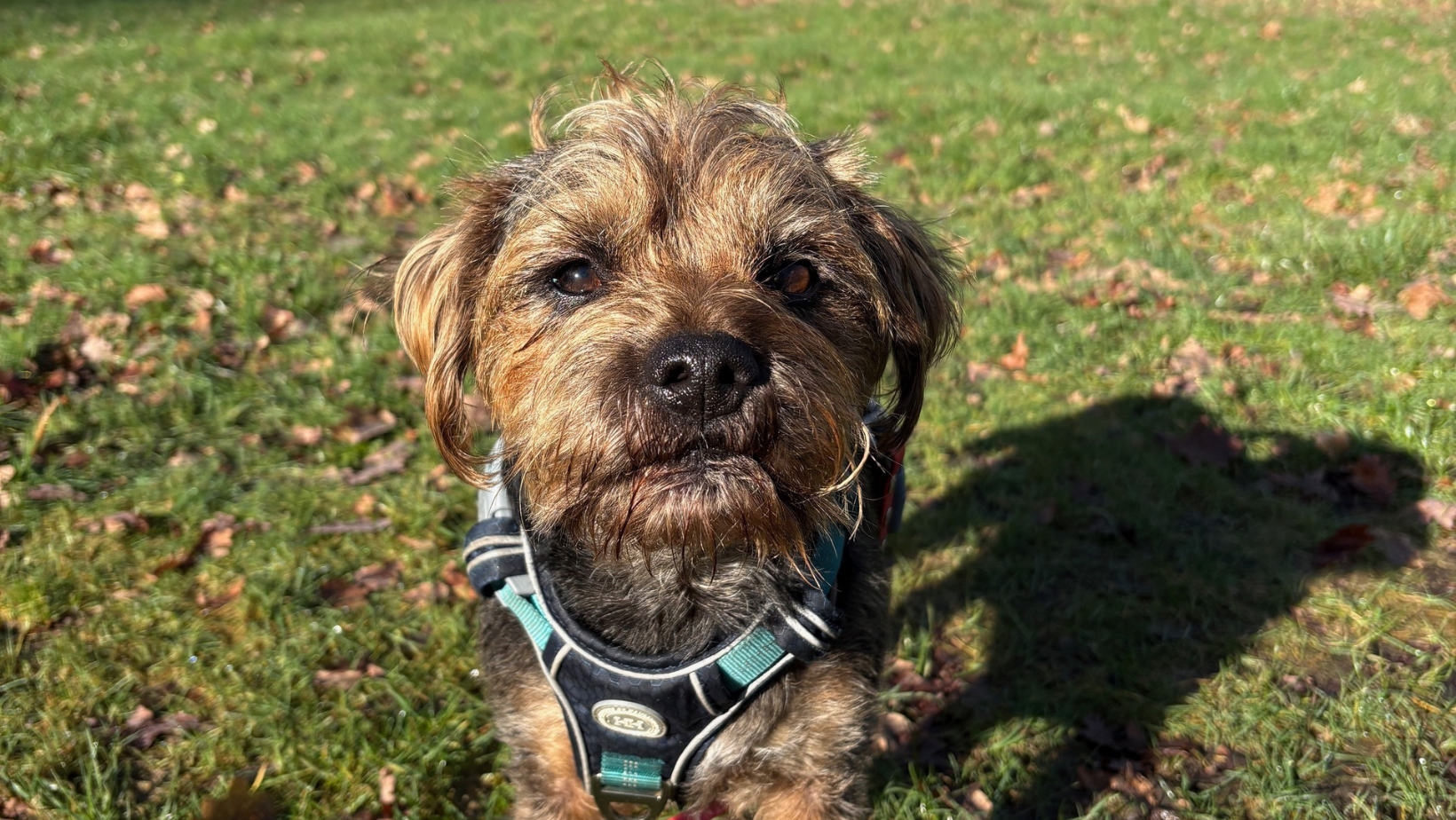
Being the adults in charge means charging up our knowledge and information to be best able to help them. It can be traumatic for us too.
The Bigger Picture: Your Dog’s Quality of Life
Let’s step back from the details for a moment and look at what all of this means for your dog’s daily life and long-term wellbeing.
Yes, managing gluten intolerance requires vigilance. Yes, it means reading labels, maintaining clean environments, and educating everyone who interacts with your dog.
Yes, there will be moments of frustration when you realise a product you thought was safe actually contains hidden gluten, or when you have to turn down a treat offered by a well-meaning stranger.
But here’s what else it means: your dog gets to feel genuinely well, and as a result, so do you! The chronic discomfort they may have been experiencing can resolve. Perhaps it had been present for so long that you’d started to think it was just their normal. The digestive upset, the itchy skin, the low energy, the unexplained behavioural issues. All of these can improve dramatically or disappear entirely with the right kind training techniques and time.
I’ve worked with countless families whose dogs have been transformed by proper gluten management. Dogs who were lethargic become energetic. Dogs who were irritable become affectionate. Dogs with chronic health complaints become robustly healthy. The difference isn’t subtle. It’s profound.
Your dog has the same capacity for joy, play, connection, and contentment as any other dog. Gluten intolerance doesn’t diminish that. It’s simply a management requirement, like any other health condition. And with your commitment and care, your dog will thrive.
You’re Not Alone in This.
Our Mental Health
Managing a gluten-intolerant dog can feel isolating and overwhelming, especially in the beginning when you’re learning to navigate all the requirements and restrictions. But here’s what I want you to remember: you’re part of a community of dedicated owners who are doing exactly the same thing. Every week, there are more and more people receiving this diagnosis. It affects up to 50% of this breed.
More importantly, you have access to support and expertise. I’ve devoted years to understanding canine gluten intolerance, working with affected dogs, and helping owners navigate this diagnosis successfully. My knowledge is here for you to draw upon whenever you need it.
If you’re struggling with any aspect of your dog’s care, if symptoms aren’t improving as expected, or if you simply need reassurance that you’re on the right track, reach out. Sometimes the most helpful thing is simply having someone knowledgeable confirm that what you’re experiencing is normal, or to offer a small adjustment that makes a significant difference.
Moving Forward with Confidence
So where does all this leave you?
You’ve received a diagnosis that initially seemed overwhelming, but now you have a clear path forwards. You understand what needs to be done and why it matters. You have the knowledge and tools to give your dog the best possible quality of life.
More than that, you’re contributing to something larger than your individual dog’s health. By informing the breeder, you’re helping protect future generations. By contributing to genetic research, you’re advancing scientific understanding. By managing your dog’s condition carefully and sharing your experience, you’re modelling responsible ownership that may inspire others.
Your dog is so fortunate to have an owner who cares enough to seek information, who’s willing to make necessary changes, and who’s committed to their long-term wellbeing. Your dedication will make all the difference.
Take it one day at a time. Be patient with yourself as you learn new routines and adjust your household practices. Celebrate the improvements you see in your dog, and there will be improvements. Trust that you’re doing the right things, because you are.
Your dog’s diagnosis is not a tragedy. It’s information that empowers you to provide better care. With that information and your commitment, your dog will not just survive. They’ll truly thrive.
With me by your side, you have everything you need to succeed, and my support every step of the way.
Find out about your Carer’s Statement in this article and download it from the page.
