

Case Study: Kobie the Airedale
From "We Didn't Know Where to Go From Here" to "He's Become the Dog We Wanted".
"I thought we weren't going to be able to keep him."
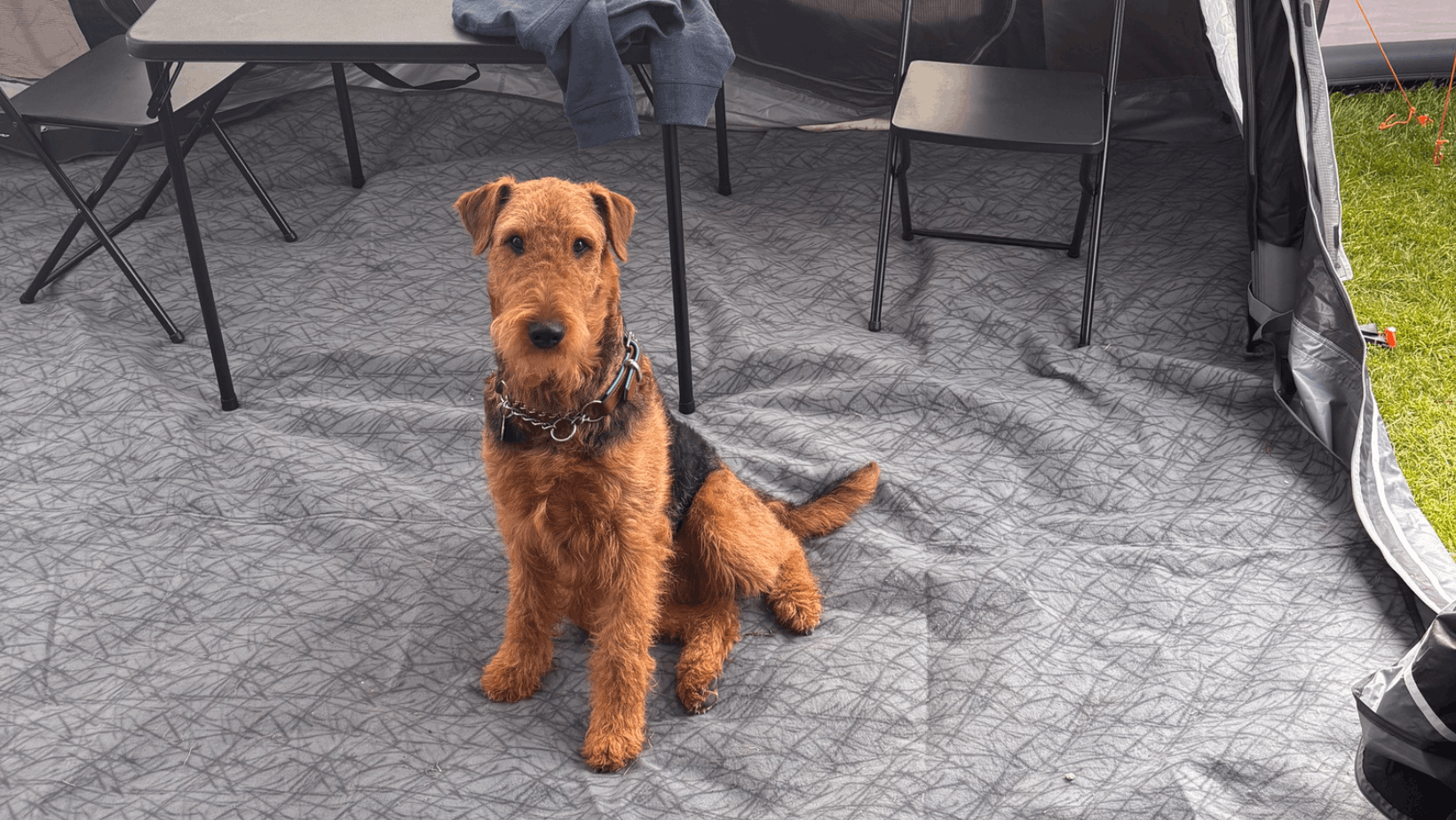
Kobie on his Airedale meet up holiday sitting like a good boy because he feels better.
When Sandra first contacted me about Kobie, her young Airedale Terrier, she was exhausted.
This wasn't simply an energetic adolescent dog.
His family were living with constant worry.
His mouthing had become so intense that an accidental play bite needed five stitches in the lip.
Their arms were covered in scratches.
His toys, destroyed within minutes.
At night, while the rest of the house slept, Sandra was often getting up at 3am to deal with grass eating and explosive diarrhoea a few times a week.
They loved him dearly, but life felt overwhelming.
The Challenge
Kobie was only just over a year old, adolescent, and his digestive system already appeared to be struggling despite not using medications, prescriptions or vaccinations.
His symptoms included:
Frequent night-time diarrhoea, often projectile (fortnightly).
Excessive wind and noisy digestion (weekly).
A very sensitive stomach that seemed to react to any dietary changes.
Scavenging and constantly searching for food.
Extreme mouthing and biting behaviours.
Difficulty settling and regulating his emotions.
Reactivity at dogs.
Constant attention seeking.
Destructive behaviour.
Sandra described feeling anxious every time she introduced something new.
"Everything I give him that's slightly different, you're waiting for the projectile diarrhoea. I didn’t know what to do!"
Like many owners, she'd become frightened of feeding the wrong thing. And I absolutely know what that’s like.
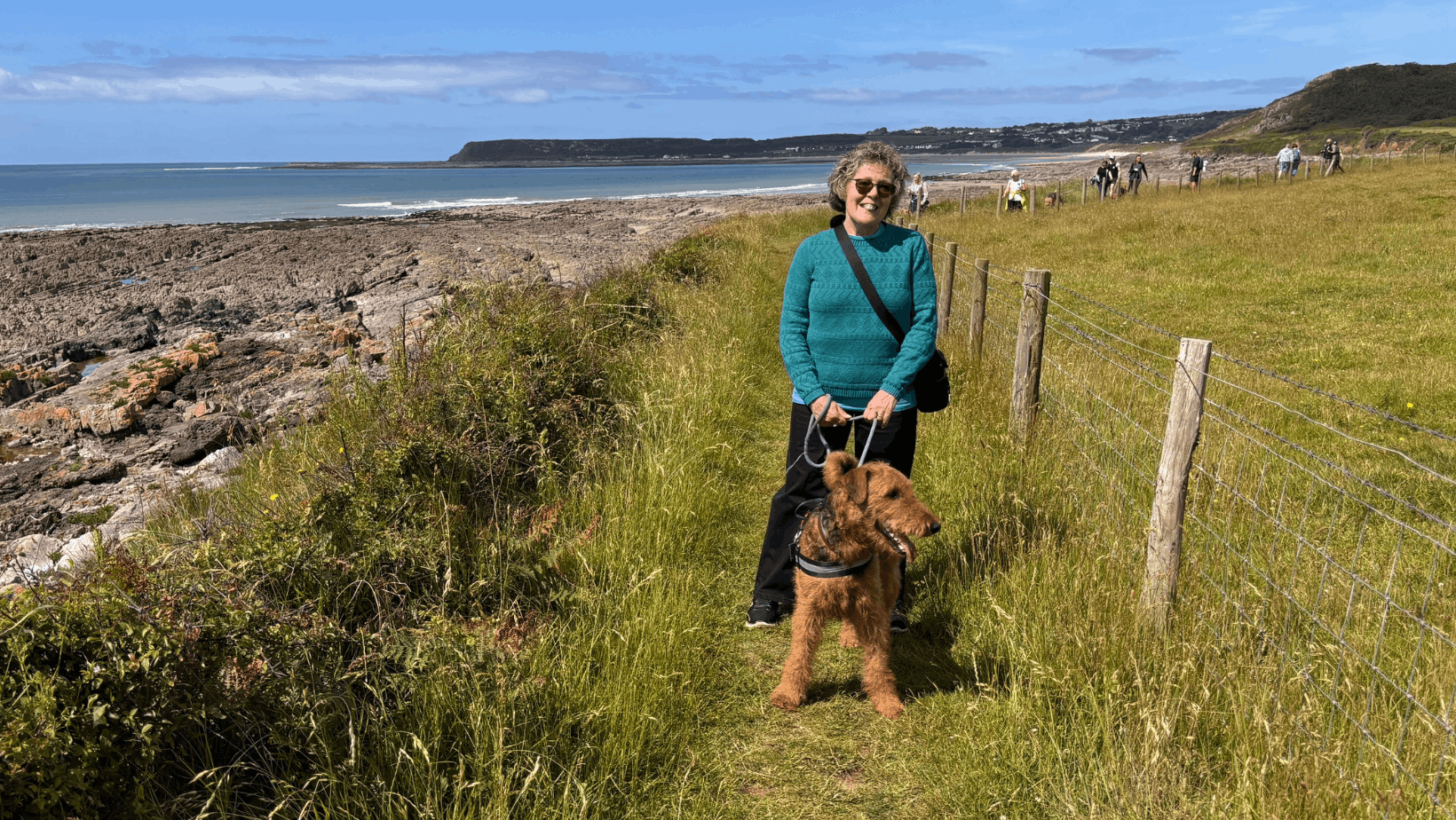
Sanda and Kobie, cool calm and collected.
Looking Beyond Behaviour
Although Kobie had been in training because of his behaviour, it was clear there was another piece to the puzzle, and his trainer referred her to me for a chat.
When a dog's digestive system is inflamed or uncomfortable, it can have a profound impact on emotional regulation, sleep, frustration tolerance and behaviour.
Rather than simply trying yet another food, we focused on supporting his body as a whole.
Our Approach
Together we built a simple, structured nutrition plan that supported both his gut and nervous system.
This included:
Supporting his system to heal.
Moving him onto an anti inflammatory diet.
Transitioning onto a more appropriate single-protein cold-pressed food.
Gradually introducing fresh whole foods.
Rotating proteins carefully.
Introducing appropriate nutrient boosters.
Supporting his microbiome.
Using species-appropriate enrichment through chewing and food-based activities.
Everything was introduced slowly so his digestive system had time to adapt and heal.
The Changes
The transformation happened so much faster than Sandra expected.
Within just a week, she began seeing a completely different dog.
She told me:
"Everybody was saying, 'Where's the devil dog?' He was a model dog. It made SUCH a difference. It really was incredible."
His appearance changed too.
"He looks in really good shape. His coat is great, his face is bright."
Perhaps most importantly, his behaviour changed.
"The biting has all but ceased. So much better emotional regulation. Before it was bite, bite, bite... and now he's better."
Sandra admitted she'd been sceptical.
"We've had such a long time of trying different things and getting nowhere. I really didn't expect it to be quite so quick."
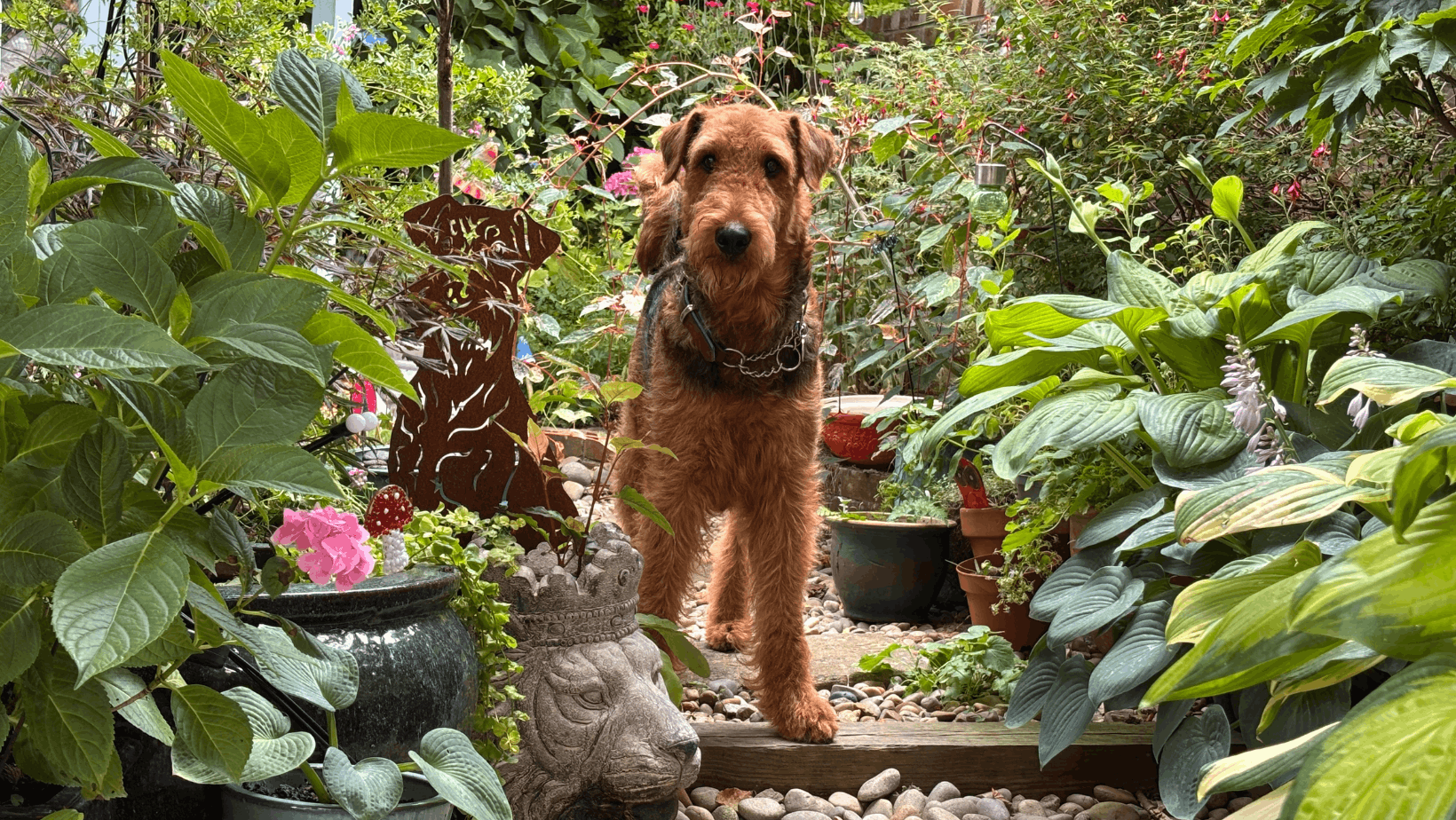
Kobie looking happy and healthy at home, with less vets bills and an easier life.
A Different Dog
One Breed Meet Up trip became the moment everything clicked.
Sandra said:
"By the time we went away, he was a different dog. It was just amazing."
The changes weren't only obvious to her.
"My husband couldn't believe it was the same dog."
Friends noticed too.
"My friends can't believe the difference. Neither can I."
Instead of constantly managing chaos, Kobie was able to relax, observe his surroundings and simply enjoy being part of the breed group and life.
"He was friendly to everyone. He just sat down watching and taking it all in."
Gut Health Matters
Although Kobie was currently passing larger stools than we'd ultimately like, many of the symptoms that dominated everyday life dramatically improved.
Sandra told me:
"This is the longest we've done without hosepipe and disinfectant in the morning."
She also noticed something equally important.
"He's not suffering. We're not coming down to hear his tummy. The shocking wind he had... you could hear it squeaking from one side to the other. He's not doing it now."
These are often the improvements owners don't realise are possible until they experience them. And this symptom is one of gluten intolerance.
Hope Replaced Worry
Perhaps the biggest change wasn't just in Kobie, it was in Sandra.
She shared something that stayed with me:
"I thought we weren't going to be able to keep him. I didn't know where to go from here. I knew he wasn't very well, I didn't know what to do for him. I thought I’d tried everything…"
Today, she describes him very differently.
"Now he's such a lovely, loving dog. He's become the dog I've wanted in the first place."
Every Dog Deserves to Feel Comfortable
Digestive discomfort doesn't only affect the gut. It commonly influences behaviour, emotional regulation, sleep, learning and quality of life.
When we reduce inflammation and support the gut microbiome, we often see improvements that extend far beyond digestion.
Kobie's story is another reminder that sometimes changing what's in the bowl can help change everything else too. The importance of putting good in, and getting good back out.
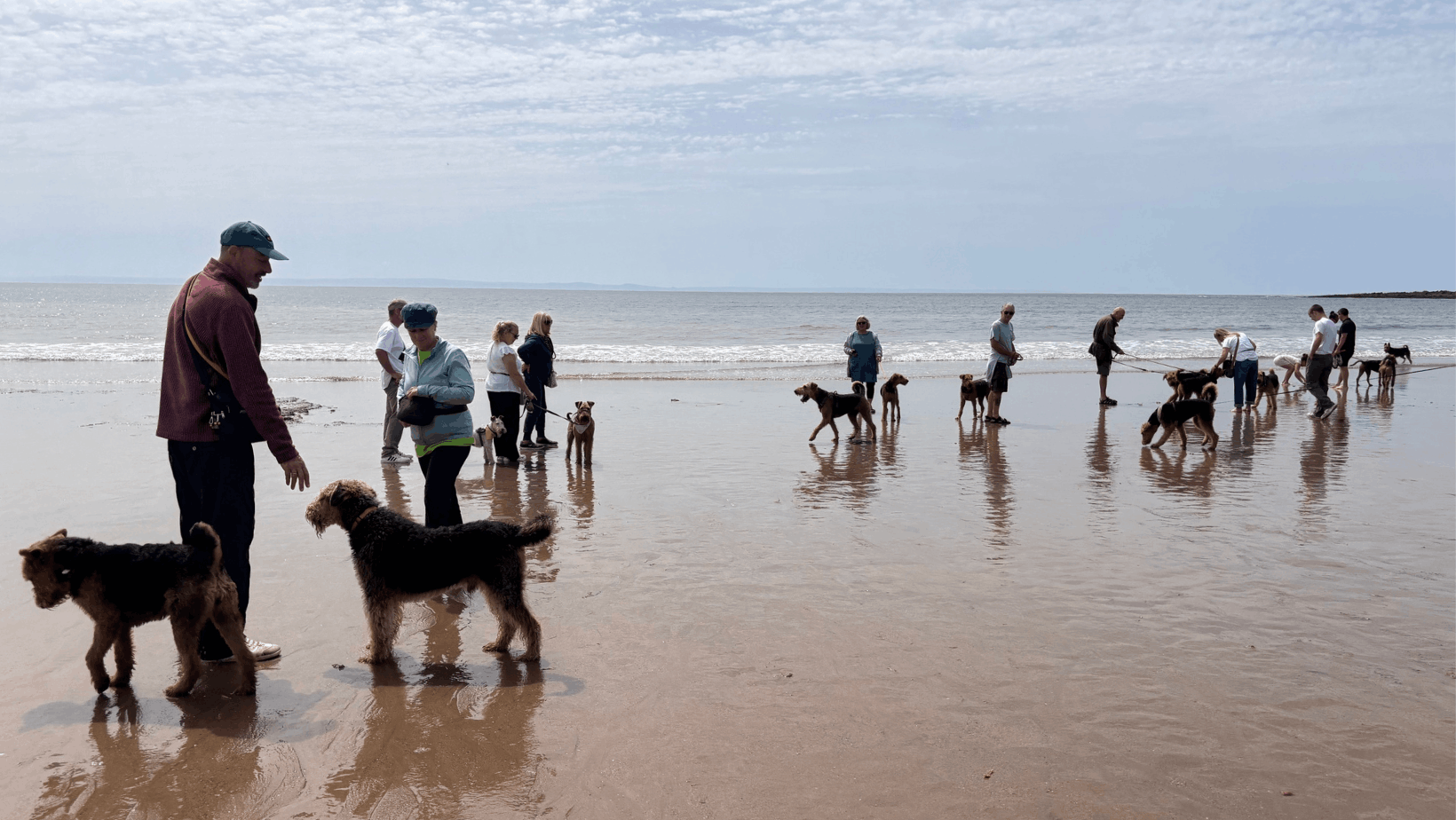
Kobie on his meet up not being reactive, being sociable with other dogs because he feels great.
Could Your Dog Be Showing Similar Signs?
If your dog experiences:
Diarrhoea.
Excessive wind or noisy digestion.
Sensitive stomach.
Scavenging.
Behaviour changes.
Difficulty regulating emotions.
Excessive mouthing.
Food sensitivities.
Lack of focus on you?
Running off?
...it may be worth looking beyond symptom management and exploring what's happening inside the dog, inside the gut even.
Every dog is different, but with the right nutritional support, a structured plan and patience, remarkable changes are possible.
Ready to Help Your Dog Thrive?
If you're feeling overwhelmed by digestive issues, behaviour changes or food sensitivities, I'd love to help.
Together we'll create a practical, evidence-informed nutrition plan tailored to your individual dog, so you can stop guessing, start understanding, and help your dog feel their very best.
Get in touch for a free 15 minute Discovery Call and lets see where I can add value.
